Species Survival Plan
The Museum of Science is an accredited zoo with an animal care team dedicated to ensuring the health and happiness of our animal ambassadors. Before making their way to the Shapiro Science Live! stage in the Green Wing, staff receive training on proper handling, and many of our animals have learned behaviors to signal whether they’re in the mood to come out for a presentation.
Consideration for our furry, feathered, scaled, and carapaced friends also extends to how we acquire our animal collection and support species conservation in the wild. As we know firsthand, meeting an animal ambassador can have a profound impact on visitors. For some, a single interaction can spark a lifelong dedication to learning about and protecting a species.
↓ Keep reading
To ensure the future of these animal encounters while protecting wild populations, the Museum participates in the Species Survival Plans (SSP) program alongside other Association of Zoos and Aquariums (AZA) organizations and affiliated facilities. The goal of the program is to create genetically diverse and stable captive populations to support educational institutions and provide insurance populations for threatened and endangered species and subspecies.
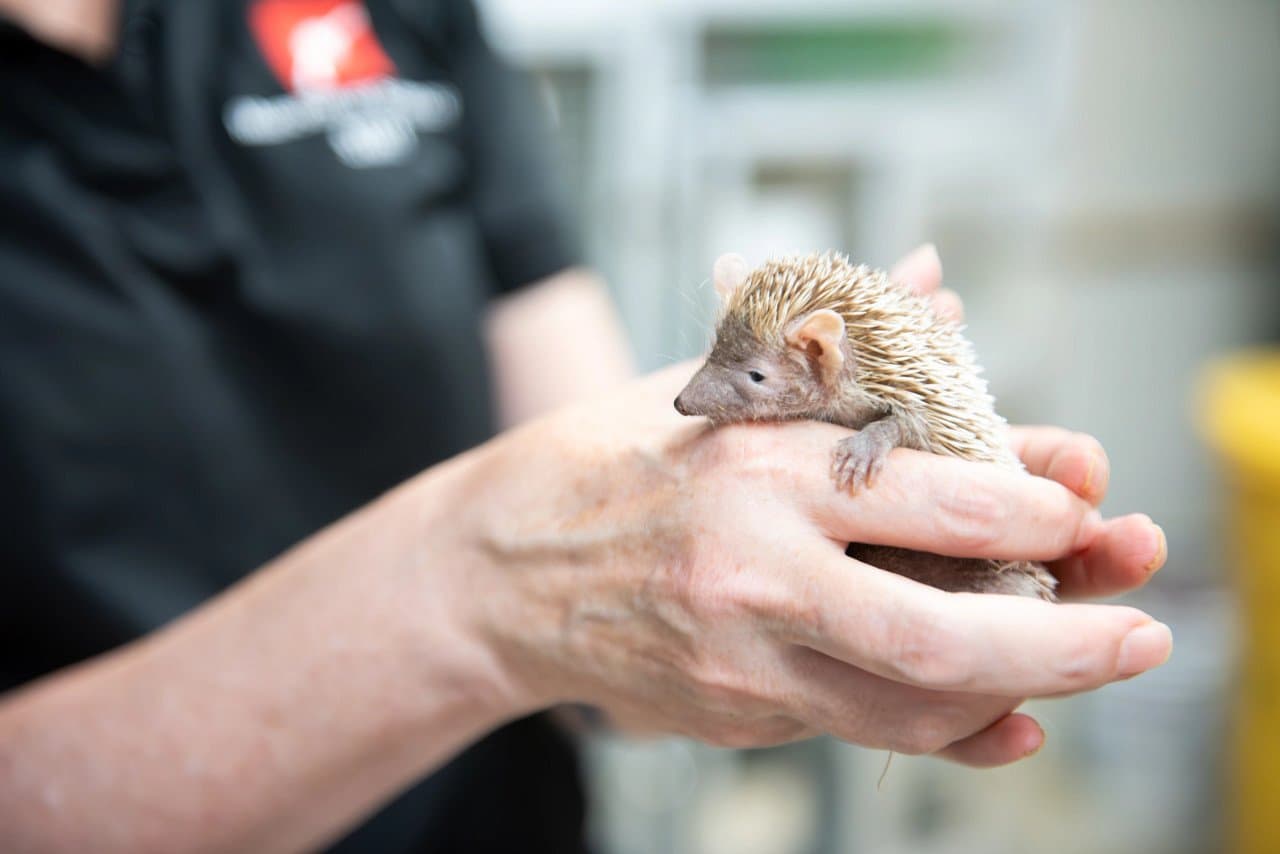
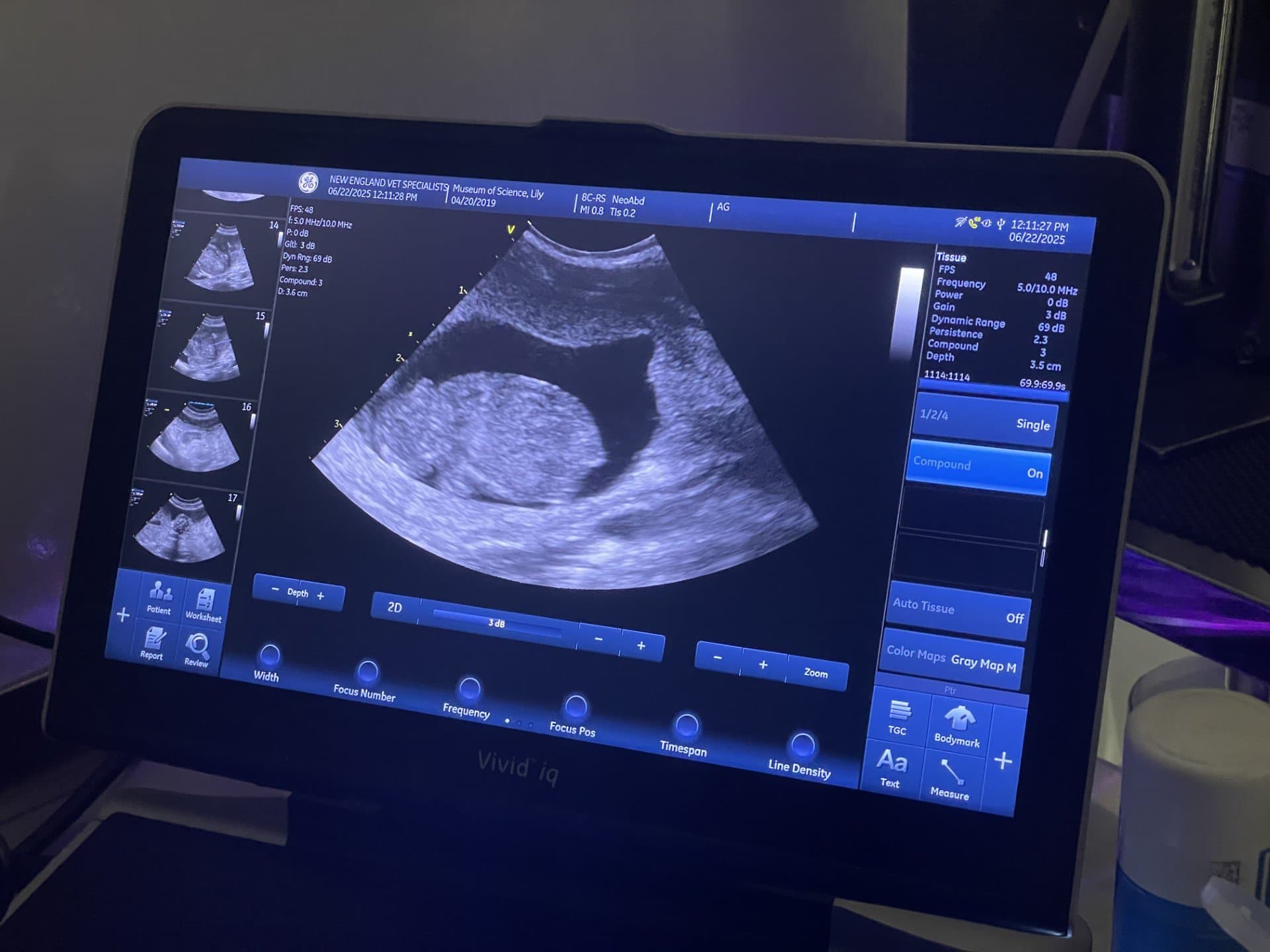
The Museum of Science participates in several SSPs, including cotton-top tamarins, radiated tortoises, lesser Madagascar hedgehog tenrecs, prehensile-tailed skinks, prehensile-tailed porcupines, and screaming hairy armadillos. Our armadillos are the only species we are currently breeding, and this summer we celebrated a success when we welcomed baby Backpack, the offspring of our long-term resident armadillos, Dora and Diego!
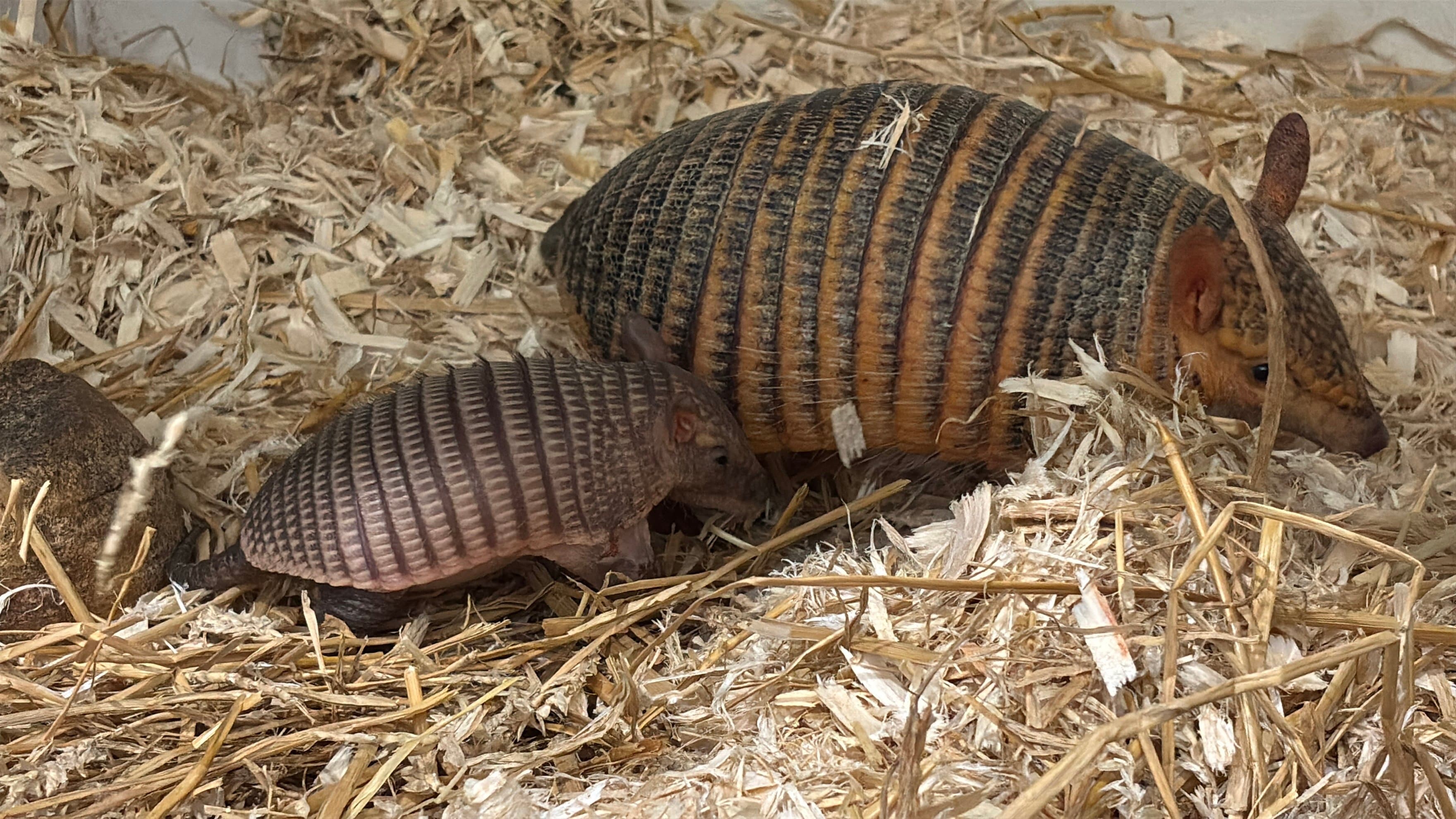
The screaming hairy armadillo SSP was created due to the species’ popularity as an ambassador animal, thanks to their small size and fascinating adaptations. Historically, this species was not well represented in captivity, and a population was not established until 2000 with wild-caught individuals. To reduce the impact on wild populations, the SSP was developed to fulfill the needs of AZA institutions. While the species is currently not threatened, its population is generally decreasing — and due to a lack of studies, its current status remains uncertain.
These energetic critters are Museum fan favorites, and Diego loves to show how fast he can run on his wheel during Live Animal Presentations. Interested in learning more about the SSP program or how we train our ambassadors to signal they’re ready for a presentation? Be sure to chat with our staff after a show at the Shapiro Science Live! stage.